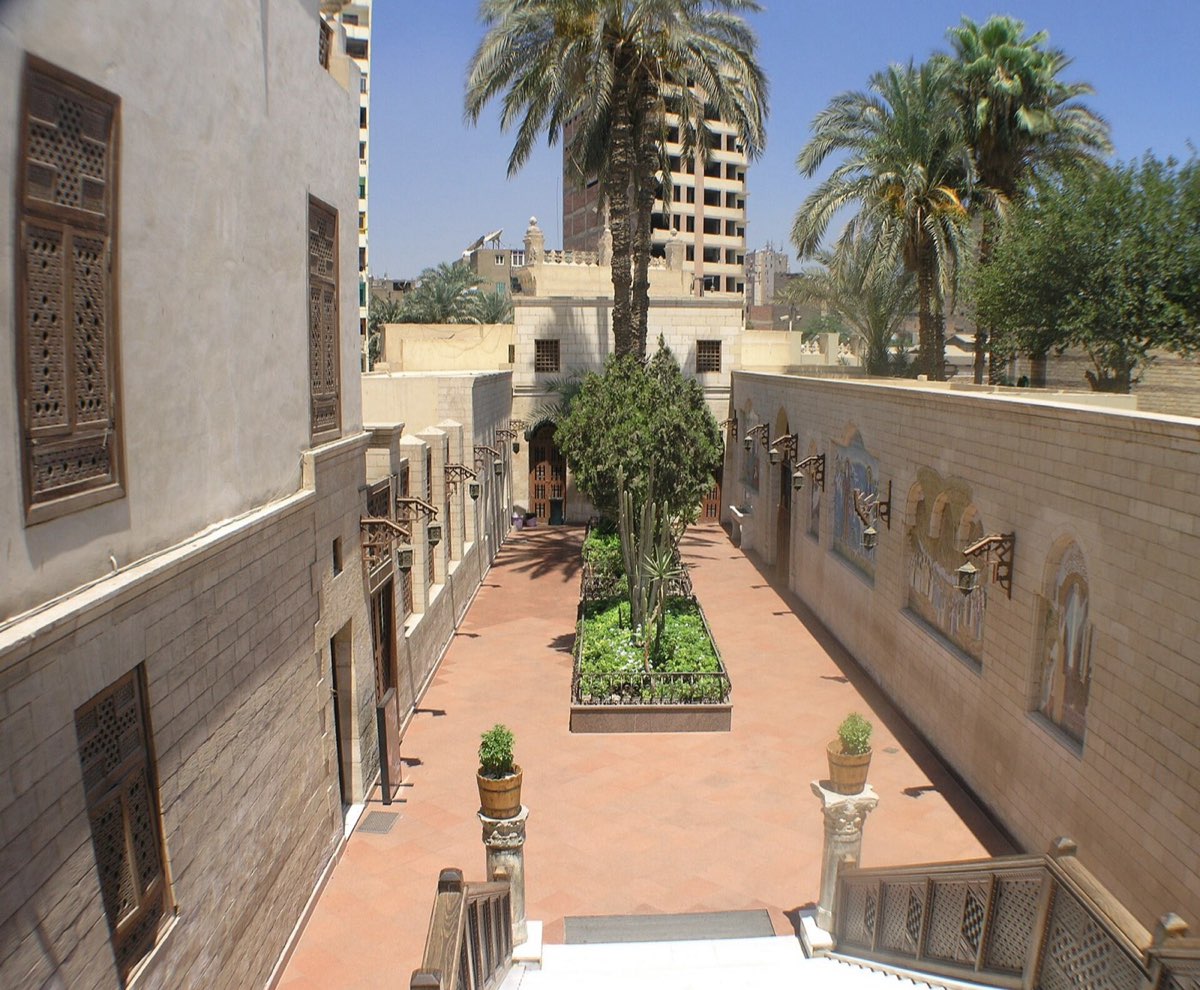
Preflight Checks · the practical file

The practical pre-trip basics for Egypt, rotated twice a year.

Preflight Checks is the practical file of the publication. The cards here are not about a place; they are about the numbers and the rules a first-time visitor to Egypt needs to know before booking the flights. Visa rules. Whether the SIM at the airport is overpriced (yes). The realistic taxi rate from Cairo airport (not what the meter says). The dress code at a mosque versus a church versus the Egyptian Museum. Whether the tap water is drinkable (no, but the calculation is more nuanced than the standard tourist advice suggests). The seven cards below cover the seven topics subscribers ask about most often, re-rotated in March and September because the numbers move with the exchange rate and the visa-policy news.

Nadia Tantawy, the fact-checker, owns this file. The rotation pattern is built around the publication schedule — the new readings appear in the spring and autumn cycles, with mid-cycle corrections published in the reader-correction column when something material changes between rotations. Subscribers travelling within the inter-rotation window get the most current reading we have. None of the cards below are meant as legal advice; they are the desk's best current reading of the practical situation, gathered from editor visits and verified with the relevant Egyptian authorities where possible.

The seven preflight cards · current spring 2026 readings

Cairo airport passport controlCard 109

Visa on arrival vs e-visa

Visa on arrival at Cairo, Hurghada, Sharm el-Sheikh and Luxor airports: USD 25 cash, single-entry, 30 days. E-visa at visa2egypt.gov.eg: USD 25 single-entry or USD 60 multi-entry, applied 7 days before arrival, faster at the airport. Avoid: third-party visa websites — they overcharge by 100–200%. Last rotated April 2026.

N.T. · spring 2026Full card →
Egyptian SIM vendorCard 110

SIM cards and mobile data

At the airport: Vodafone, Orange and We have kiosks. Tourist SIM with 30 GB data costs EGP 450. In town: the same SIM at a Vodafone shop is EGP 350. Recommended: Vodafone Egypt — best coverage on the Nile-cruise route and at temple sites. eSIM: Airalo and Holafly work but cost 3–4× the local SIM rate. Passport required for any SIM. Last rotated April 2026.

N.T. · spring 2026Full card →
Egyptian banknotesCard 111

Cash, cards, ATMs and the EGP

Currency: Egyptian Pound (EGP). Current rate ~ EGP 48 = USD 1 (volatile). ATMs: Banque Misr, NBE, CIB dispense up to EGP 5,000. Foreign-card fee EGP 60. Cards: Visa and Mastercard at hotels, mid-range restaurants, museum ticket counters. Cash for: taxis, small restaurants, the Khan, tips, boat fares, the Abu Simbel convoy. Carry EGP 500 in small notes. Avoid hotel exchange (8–12% worse). Last rotated April 2026.

N.T. · spring 2026Full card →
Cairo taxi cabCard 112

Taxis, Uber, Careem and the metro

Uber and Careem in Cairo, Alexandria, Sharm, Hurghada — fare shown up front. Standard fares Cairo: Zamalek-Tahrir EGP 70; Zamalek-GEM EGP 250; Zamalek-airport EGP 350; Zamalek-Khan EGP 100. Street taxis: meter or agreed fare. Metro: EGP 5. Lines 1 and 3 useful, Line 2 less. Women-only carriages in middle of every train. Last rotated April 2026.

N.T. · spring 2026Full card →
Mosque interiorCard 113

Dress code, by venue

Mosques: shoes off, shoulders/knees covered, women cover hair. Churches: shoulders/knees covered, no shoe restrictions. Museums: no dress code, AC aggressive — bring a layer. Open-air sites: long sleeves and a hat for the sun. Cities: Cairo and Alexandria cosmopolitan; Luxor and Aswan conservative; Red Sea resorts international. Dress to the city, not the country average. Last rotated March 2026.

N.T. · spring 2026Full card →
Bottled waterCard 114

Water, food, sun

Water: do not drink the tap. Bottled EGP 5–10 per 500 ml, ubiquitous. Ice: at chain hotels and mid-range restaurants, fine. Food: hot freshly-cooked dishes safer than salads. Sun: SPF 50, hat with brim, sunglasses. The desert sun at Giza in summer is genuinely harsh. Pharmacy: Misr el-Gedida, Seif, El Ezaby chains everywhere — qualified pharmacists who speak working English. Last rotated April 2026.

N.T. · spring 2026Full card →
Arabic phrase bookCard 115

Useful Arabic phrases and tipping

Seven phrases: shukran (thank you), aywa (yes), la (no), bikam? (how much?), ghali awi (too expensive), mish lazim (no thanks), mafish mushkila (no problem). Tipping (baksheesh): hotel porter EGP 20–50/bag; housekeeping EGP 30–50/day; restaurant 10% even with service charge; taxi round up; tour guide half-day EGP 200–400 pp; mosque shoe-keeper EGP 10. Last rotated March 2026.

N.T. · spring 2026Full card →

The realistic tipping schedule

Tipping (baksheesh) is part of the working economy in Egypt and is expected in many service interactions. The schedule below is what the desk recommends — neither stingy nor inflated. It assumes you have small notes on you, which is why the money card stresses keeping EGP 500 in 10s and 20s at all times.

SituationRecommendedNotes
Hotel porterEGP 20–50 / bagPer bag mid-range; per service for luxury
HousekeepingEGP 30–50 / dayLeave daily, not at the end
Restaurant service10% of billEven if service charge is included
Café / coffeeEGP 10–20Round up the bill
Taxi driverRound up to nearest 10Uber/Careem: in-app tip works
Tour guide (half day)EGP 200–400 ppPer group; double for a private guide
Felucca captainEGP 50–100On top of the agreed fare
Restroom attendantEGP 5Carry small coins
Helpful museum guardEGP 20If they showed you a corner you would have missed
Camel handler at the pyramidsEGP 100–200Negotiate up-front, not after dismounting
Mosque shoe-keeperEGP 10Even if they do not ask
Hotel concierge for genuine helpEGP 50–100Restaurant booking, taxi arrangement

Tips are part of the working income of most service workers and the rate is not punitive — it is the cultural norm. Egyptians themselves tip in roughly these ranges. The exception is the camel-handler/touts at the pyramids, where the price is haggled rather than tipped; agree the full amount before mounting and stick to it.

Eight recurring preflight questions

Is Egypt safe?

The tourist corridors (Cairo, Luxor, Aswan, Alexandria, the Red Sea coast) are safe in the everyday sense — petty theft is low compared with most European capitals, and violent crime against tourists is rare. The aggressive touts at the Giza pyramids and the Khan are an annoyance, not a safety issue. The Western Desert oases and the Sinai interior have intermittent travel advisories from various Western foreign ministries; check your own ministry's current advice before planning anything beyond the standard corridor.

Should I take EGP or USD?

USD or EUR cash in modest amounts (USD 200–500) is useful as a backup and is accepted by many tourist-facing businesses, but you cannot pay a Cairo taxi or buy a koshary with dollars. Pull EGP from a Banque Misr or NBE ATM on arrival at the airport — the rate is better than any exchange booth and the ATM is open 24/7.

What is the working week?

Sunday to Thursday. Friday and Saturday are the weekend. Most museums are open on Friday and Saturday but many government offices, banks and embassy services are closed. The Egyptian Museum Tahrir is open every day; the Coptic Museum is open daily; many smaller museums close on Mondays. Mosque visits are best avoided during Friday midday prayers (roughly 12:00–14:00).

Do I need cash for museum tickets?

Most major Cairo museums now accept Visa and Mastercard at the ticket window (the GEM has chip-and-PIN; the Tahrir museum has them too as of January 2025). Smaller sites, west-bank tomb supplements and the boat fare to Philae remain cash-only. Carry EGP 1,500 cash per visiting day to be safe.

What about vaccinations?

No vaccinations are required for entry from low-risk countries. Most travel-health services recommend being up-to-date on hepatitis A, hepatitis B, typhoid and tetanus. Travel insurance with medical evacuation is recommended; the major Cairo private hospitals (Dar Al Fouad, As-Salam) are good but evacuation insurance is the safer call for serious incidents.

Is the Nile cruise worth it?

Yes, for the Luxor-Aswan leg and the river-side temples (Edfu, Esna, Kom Ombo). The cruise handles the logistics of three temples that are otherwise tedious to reach independently. Book direct with the cruise operator in Luxor or Aswan rather than through an international agent — the rate is consistently lower.

How early should I book?

For October-March travel (high season), three to four months ahead for flights and hotels. For April-September (shoulder/low), six to eight weeks. The Abu Simbel equinox ticket (22 Oct, 22 Feb) sells out three months ahead.

Where is the line between the tourist corridor and not?

The tourist corridor is roughly: Cairo–Giza–Saqqara–Alexandria in the north; Luxor and Aswan in the south; Sharm el-Sheikh and Dahab on the southern Sinai; Hurghada and the Red Sea coast resorts. Saint Catherine's Monastery sits at the boundary. The Western Desert oases are accessible but require local knowledge. The northern Sinai is not currently a tourist destination. Always check your foreign ministry's travel advice for the current line.

Pair this file with the Window of the Year for the month-by-month picture, with Honest Itineraries for the worked plans built on these basics, and with Regional Files for the regional readings.

The Preflight Checks rotate in March and September.

The next rotation is the autumn 2026 cycle. Reader-correction items flagged between rotations are merged into the relevant card within the working week.

Subscribe for the printed annex