Card archive

The full QPass archive — 118 cards across 36 Egyptian sites and institutions.

A hundred and eighteen dated review cards published by the Heliopolis desk between November 2020 and the current spring 2026 rotation. The list below summarises each card in two or three lines and links through to the standing-section page where the full card text and ticket-comparison table live. Cards are organised by region first and by ticket band second; within each block they are listed in card-number order, oldest first, so a reader can trace the development of the coverage.

The archive is biased toward the Cairo-to-Aswan corridor — the route most QPass readers travel — and toward the major institutions on that corridor. Alexandria, the Sinai monastic precincts and the Western Desert oases are covered, with progressively shorter section counts. The Red Sea coast resorts are covered at city-card level only. Each entry below carries the responsible editor's initials (K.M. Kareem Mostafa, R.E. Reham Elsayed, S.A. Sara Abdelmaksoud, N.T. Nadia Tantawy) and the most recent rotation date.

Cairo, Giza and the Saqqara necropolis · 38 cards

The largest regional block in the archive. The Cairo flagship institutions, the Giza plateau and the Sphinx, the Saqqara and Dahshur necropoles, the Coptic and Islamic museums, the Citadel and the Mamluk monuments along Al-Muizz Street, and the Khan as a working evening visit. Rotated quarterly by Kareem Mostafa and Reham Elsayed.

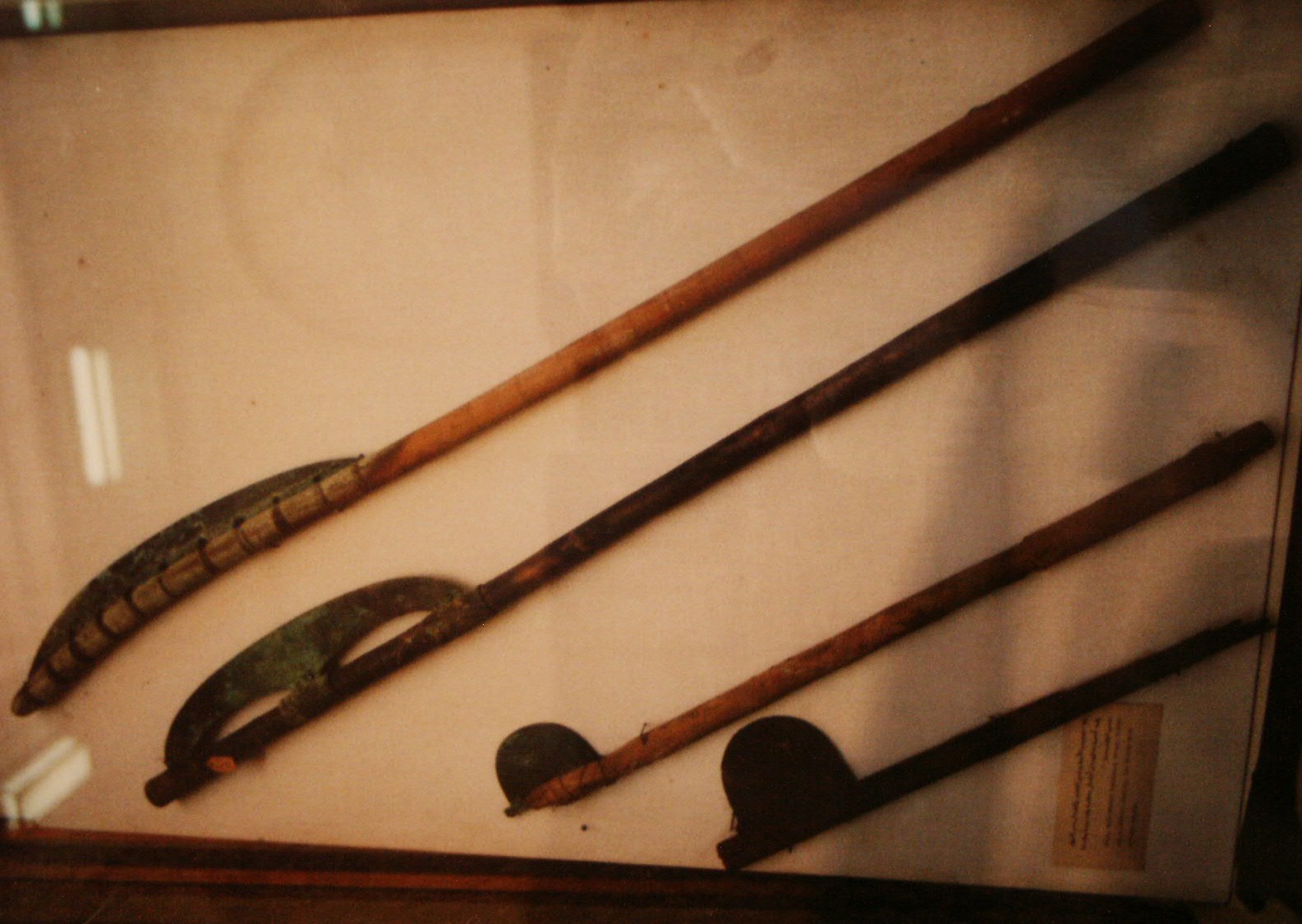
Egyptian Museum Tahrir bronze weapons display caseCards 001–014

Cairo flagship collections

The Egyptian Museum on Tahrir, the Grand Egyptian Museum at Giza (with separate cards for the Tutankhamun gallery and the children's wing), the National Museum of Egyptian Civilisation in Fustat, the Coptic Museum, the Museum of Islamic Art at Bab al-Khalq. Fourteen cards, two of them post-rotation review pieces.

K.M. · April 2026Open section →
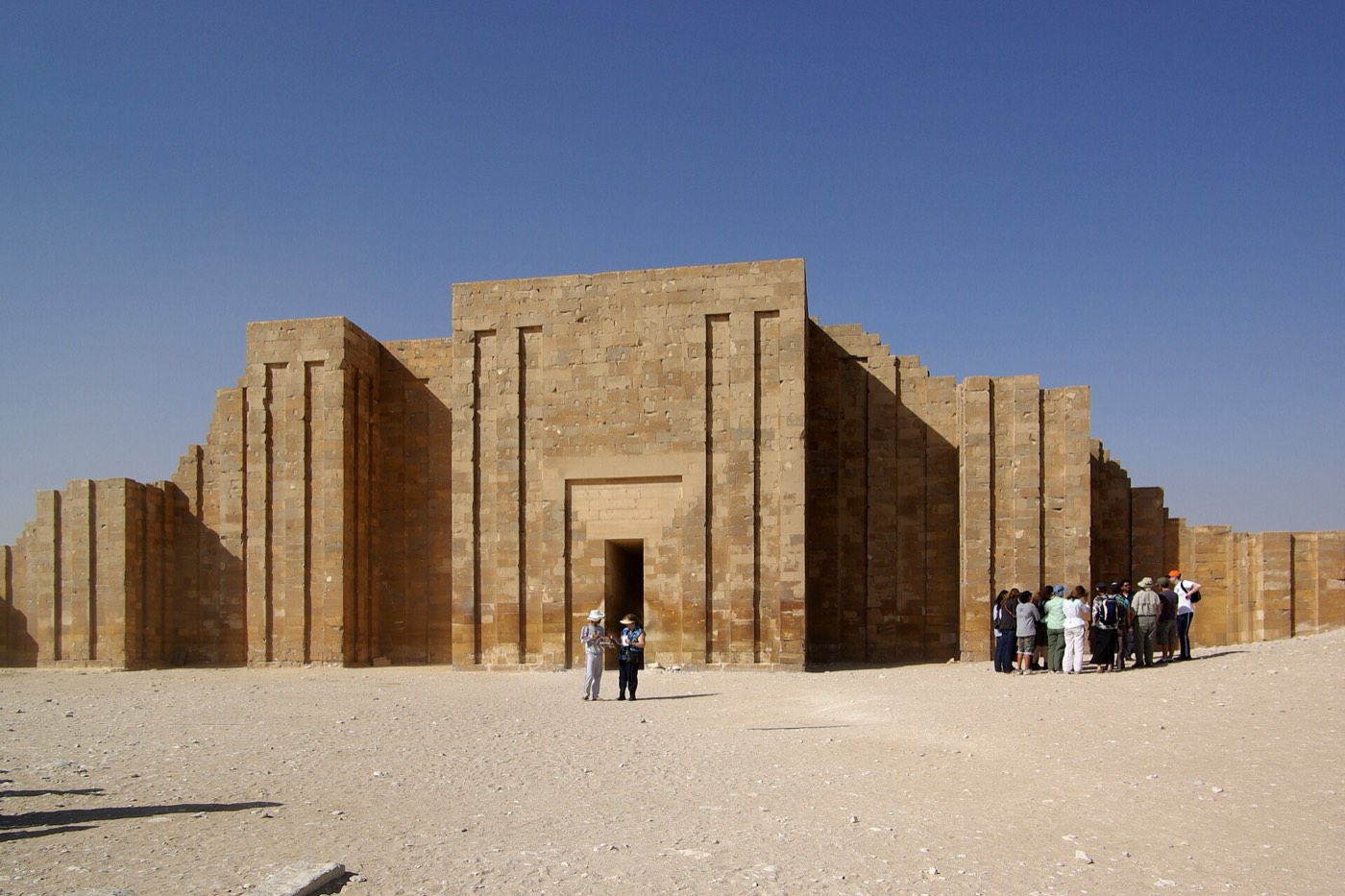
Step Pyramid of Djoser at SaqqaraCards 015–023

Pyramids and necropoles

The Giza plateau (with separate cards for each pyramid and for the Solar Boat Museum), the Sphinx amphitheatre, Saqqara with the Serapeum and Mereruka supplements, Dahshur with the Red and Bent Pyramids, Memphis open-air, and a half-day plan card combining Saqqara and Dahshur from Cairo.

K.M. · March 2026Open section →
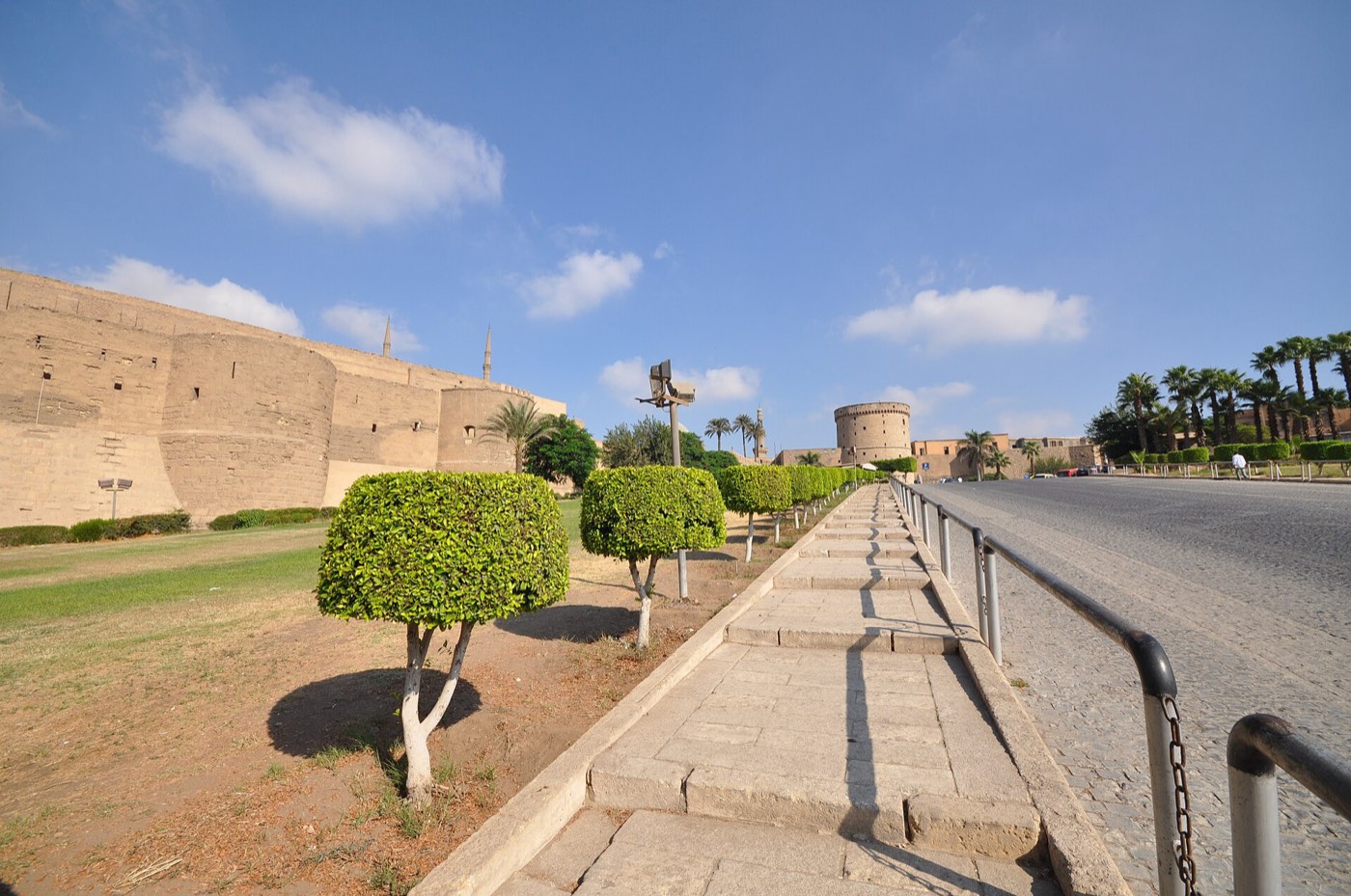
Cairo Citadel with the Alabaster Mosque domeCards 024–033

Islamic Cairo, Citadel and the Mamluk corridor

The Citadel of Saladin with the Alabaster Mosque, the Mosque of Sultan Hassan, Al-Rifa'i, Al-Azhar, the Mosque of Ibn Tulun, the Bab Zuwayla climb, the Mamluk corridor of Al-Muizz Street walked end-to-end, and the Wikalat al-Ghouri craft showcase.

R.E. · April 2026Open section →
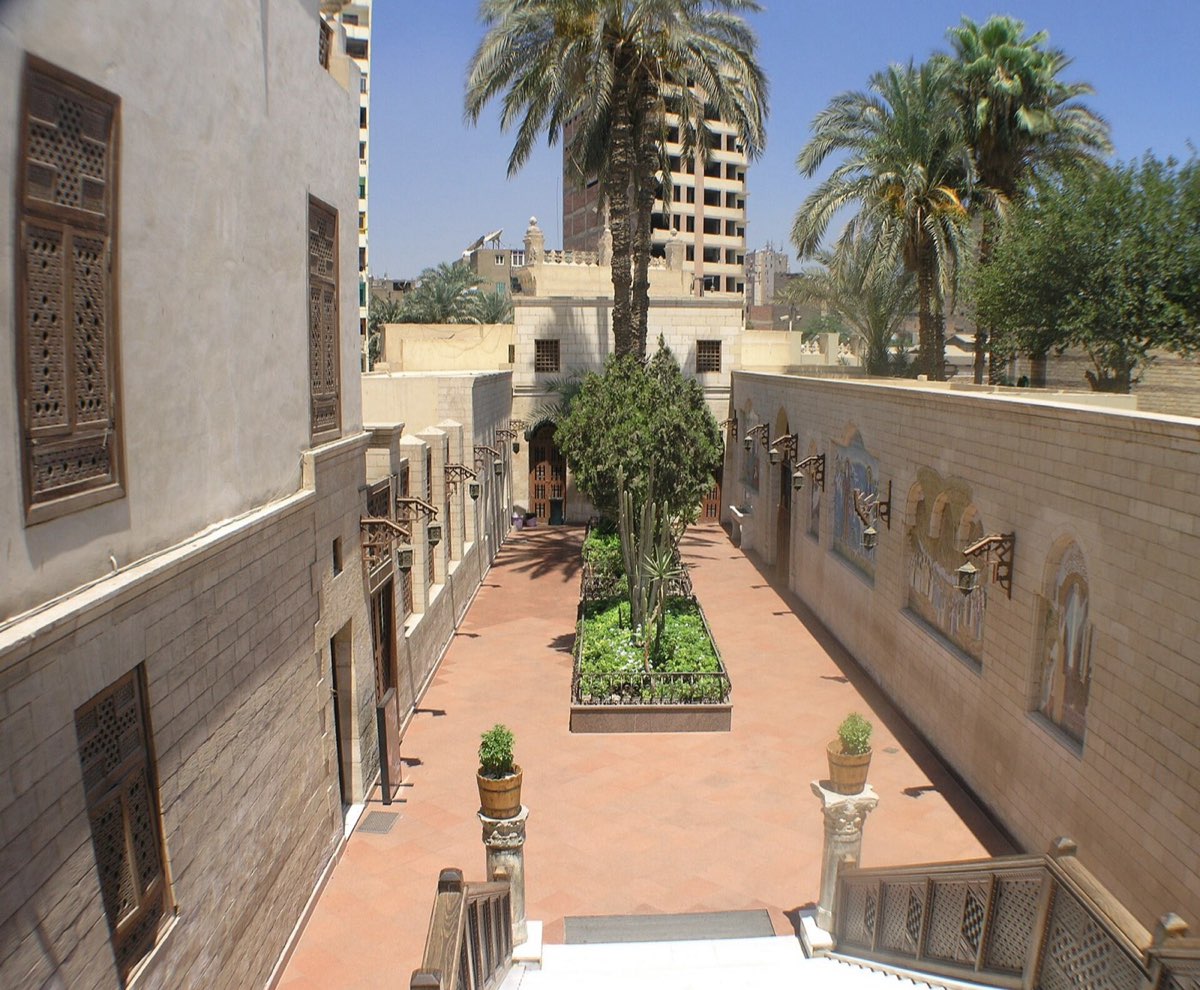
Hanging Church courtyard, Coptic CairoCards 034–038

Coptic Cairo and the Khan evening

The Hanging Church, the Ben Ezra Synagogue, the Church of St. Sergius, the Coptic walking quarter card, the Khan el-Khalili after dark with named restaurants and realistic haggle ranges, and the El-Fishawi café as theatre rather than coffee.

R.E. · April 2026Open section →

Luxor — east bank and west bank · 32 cards

Sara Abdelmaksoud's main beat. The Theban temple complexes on the east bank, the Valley of the Kings and Queens, Hatshepsut at Deir el-Bahari, Medinet Habu, the Ramesseum, the Colossi of Memnon, Deir el-Medina, and the lesser tomb fields. Rotated twice a year because the SCA tomb-rotation cycle moves on the same six-month schedule.

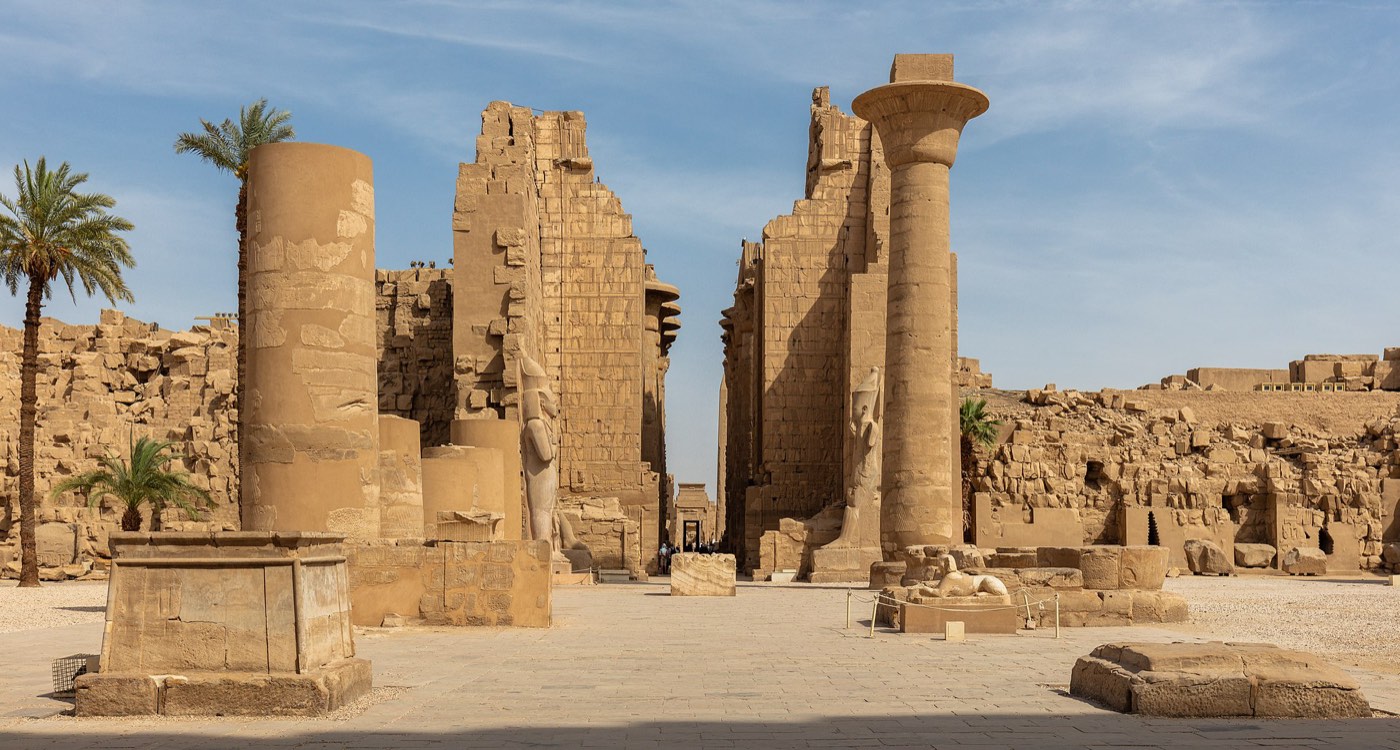
Karnak Temple Hypostyle Hall with massive columnsCards 039–051

Karnak, Luxor Temple, the east bank

Karnak with the Hypostyle Hall, the Sacred Lake circuit, the open-air museum card and the under-visited Khonsu temple. Luxor Temple morning and evening (the evening is the under-recommended visit). The Avenue of Sphinxes walked end-to-end. The Luxor Museum and Mummification Museum on the corniche.

S.A. · March 2026Open section →
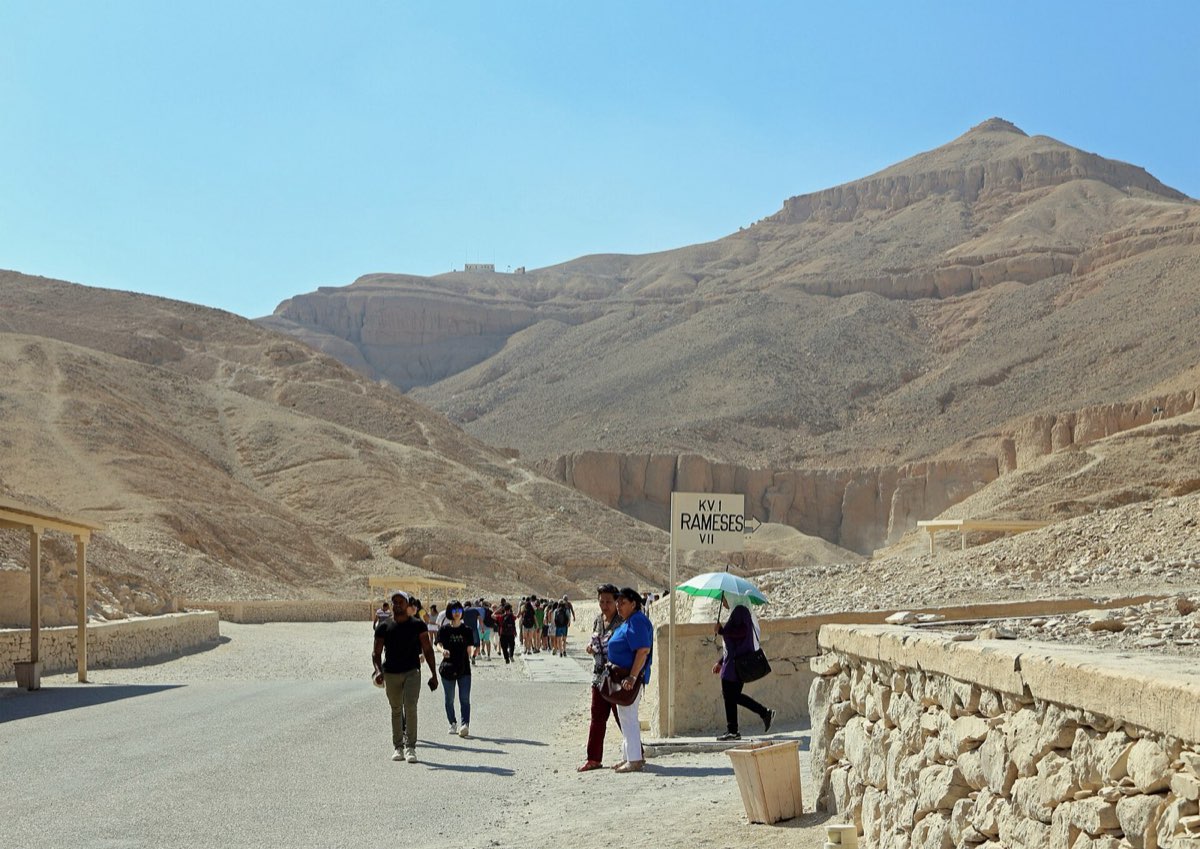
Royal tomb entrance at the Valley of the KingsCards 052–064

The Valley of the Kings supplements

The general ticket and what it includes, the Seti I supplement (worth it, with a detailed reading of the astronomical ceiling), the Tutankhamun supplement (skippable on a first visit, room is small), Nefertari in the Valley of the Queens (extraordinary, supplement justified, photography rules tightened April 2026), Ramses VI, the KV5 opening after the 2024 SCA rotation.

S.A. · April 2026Open section →
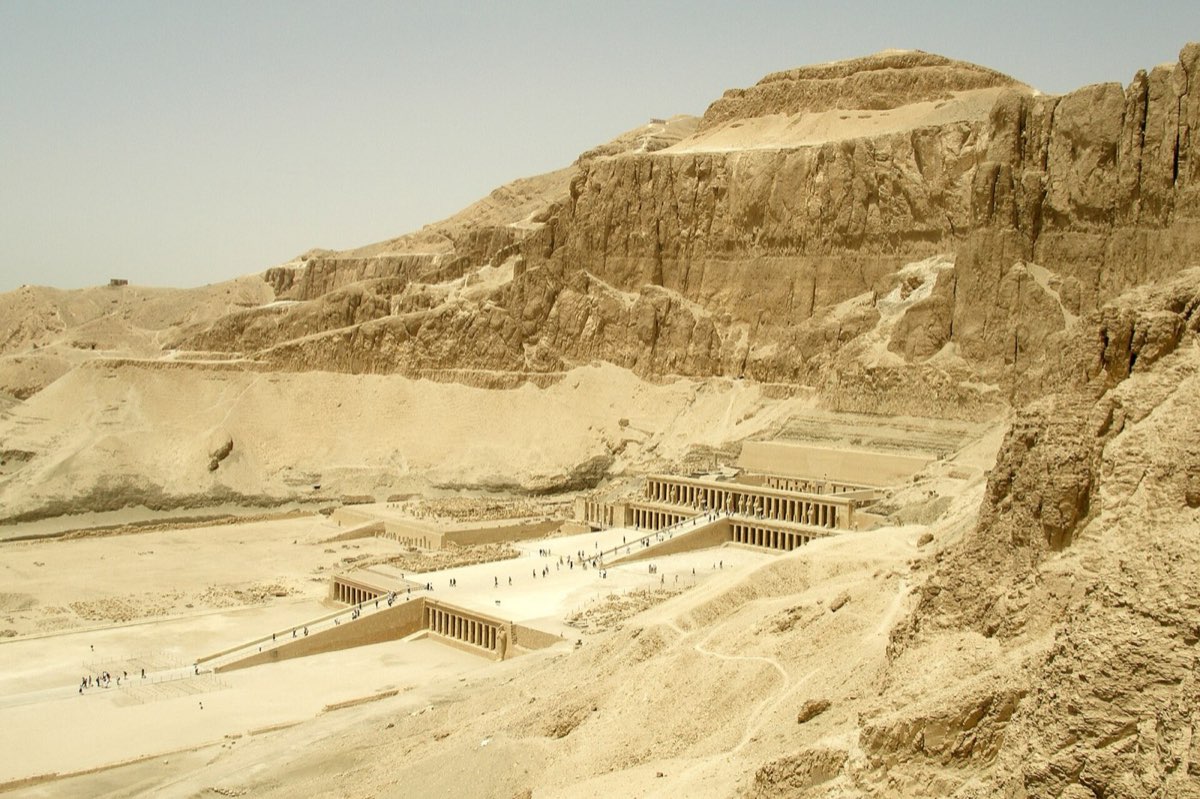
Hatshepsut temple at Deir el-Bahari with terraced architectureCards 065–070

Hatshepsut, Medinet Habu, the Ramesseum

Deir el-Bahari with the Punt expedition relief and the chapel of Anubis. Medinet Habu (the most under-visited major site on the west bank, with the most complete battle-narrative relief in Egyptian art). The Ramesseum, the Colossi of Memnon, Deir el-Medina, the Tombs of the Nobles cluster, Howard Carter's house.

S.A. · March 2026Open section →

Aswan, Philae, Abu Simbel and the Nubian south · 18 cards

The far-southern beat. Aswan as a city, the temples reached by boat (Philae, Kalabsha), the High Dam, the Aswan museum, Abu Simbel by convoy and by flight, the Lake Nasser cruise stops, the Nubian Museum south of the river. Sara writes most of the section; Reham contributes the regional-architecture cards.

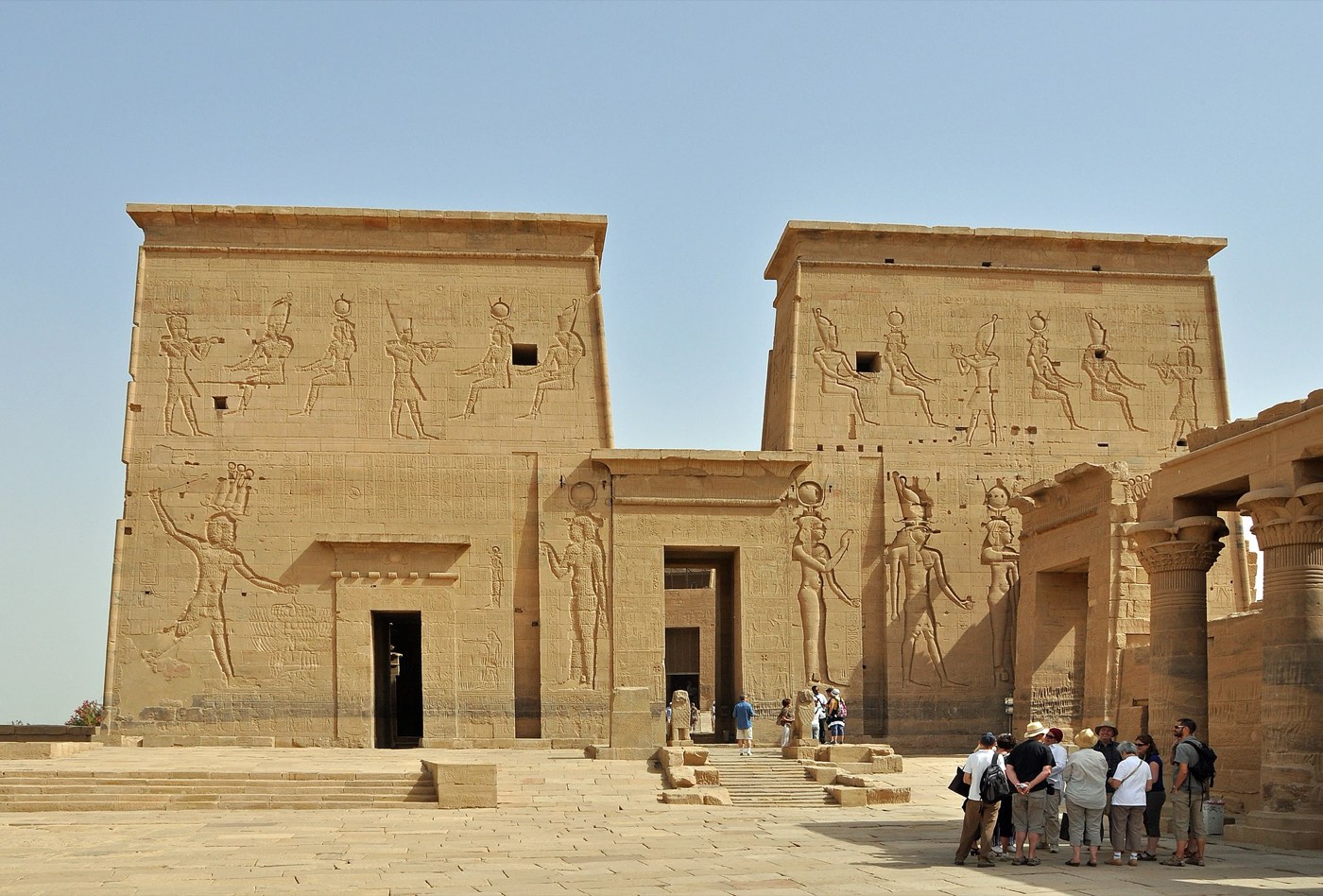
Philae temple complex on Agilkia Island near AswanCards 071–081

Boats, islands and the Aswan corniche

Philae with the morning visit and the after-dark sound-and-light (only the morning recommended), Kalabsha by boat, Elephantine Island walk and museum, Kitchener's Island gardens, the Nubian Museum (one of the strongest single-museum cards in the archive), the unfinished obelisk, the Aswan High Dam observation deck.

S.A. · February 2026Open section →
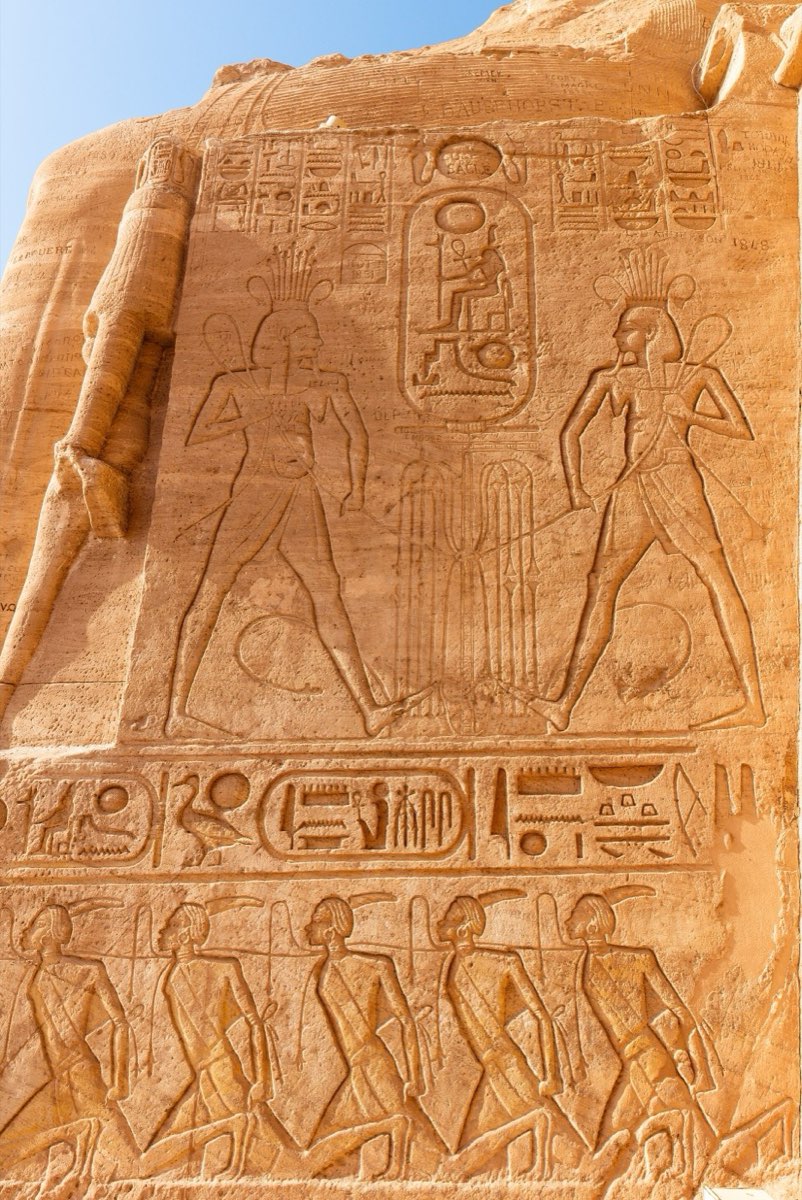
Abu Simbel temple of Ramses II colossal statuesCards 082–088

Abu Simbel and the cruise leg

The Ramses II and Nefertari temples at Abu Simbel, the 04:00 convoy from Aswan, the EgyptAir morning flight (overpriced), the equinox solar alignment ticket (22 Oct and 22 Feb), the Lake Nasser cruise stops including Wadi al-Sebua and Amada, and Edfu/Esna/Kom Ombo as the standard Nile-cruise temple programme.

S.A. · February 2026Open section →

Alexandria, the Sinai and the regional coverage · 30 cards

Reham Elsayed's regional beat. Alexandria with the Bibliotheca and the Greco-Roman Museum reopening, the catacombs of Kom el-Shoqafa, Pompey's Pillar, the Roman amphitheatre, the Royal Jewellery Museum. Saint Catherine's Monastery, the Mount Sinai climb, Sharm el-Sheikh and Dahab as city-cards. The Cairo corniche, Cairo by neighbourhood, Heliopolis as a working district.

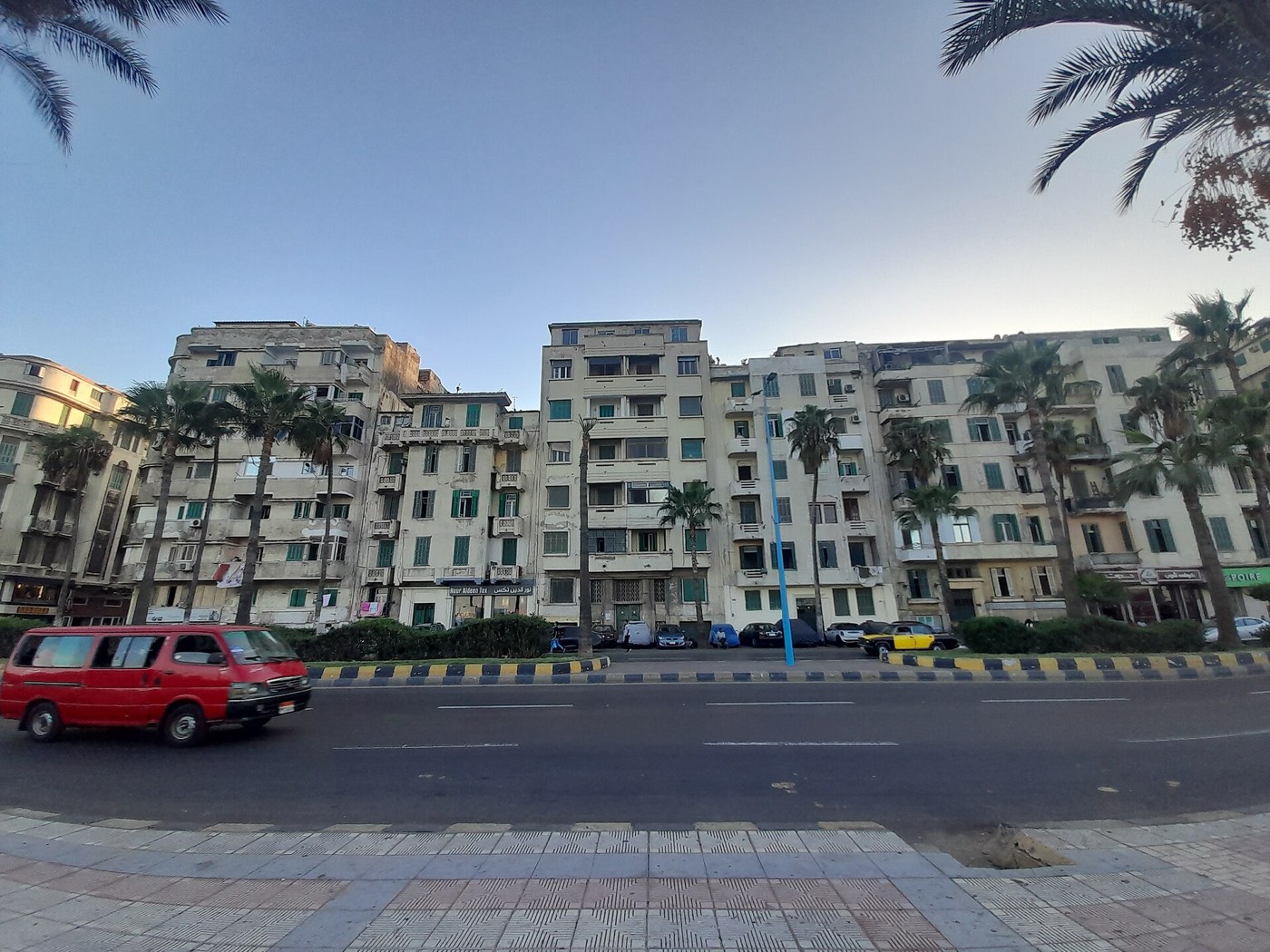
Alexandria corniche building facades on the MediterraneanCards 089–108

Alexandria — twenty cards

The Bibliotheca Alexandrina with the four embedded museums (Antiquities, Manuscripts, Sadat, Impressions of Alexandria), the Greco-Roman Museum after the October 2023 reopening, the catacombs of Kom el-Shoqafa, Pompey's Pillar, the Roman amphitheatre, Fort Qaitbey, the Royal Jewellery Museum, the corniche walked end-to-end, Bahari fish evening, and the Saad Zaghloul breakfast routine.

R.E. · March 2026Open section →
Sinai mountainous landscapeCards 109–118

Sinai, the Red Sea coast and the broader region

Saint Catherine's Monastery with the icon collection, Mount Sinai overnight climb, Dahab as a base city, Sharm el-Sheikh as a base city, Ras Mohammed National Park for snorkelling, and city-cards for Hurghada, El Gouna, Marsa Alam and Sahl Hasheesh.

R.E. · January 2026Open section →

How the archive is organised online versus in the printed visit-letter

The QPass card archive is web-only by default — every card is on this site for subscribers at the Open Pass tier and above. The printed half-year visit-letter, which goes out in March and August, packages the most recent rotation cycle into a 24-page printed booklet for QPass Plus and Editor's Pass subscribers. The print version is the primary record for any cards that subsequently get revised — the rotation history is therefore visible across the printed run rather than overwritten on the web.

Each card on the online standing-sections pages carries the same text as the printed version, plus the post-publication corrections appended at the foot. The cards do not expand for the web. Field photographs that did not fit the printed plate run sometimes appear online as additional figures, but the text is identical. Press citation should reference the printed issue and card number (e.g. "Mostafa, K., 'The Egyptian Museum, Tahrir, after the move,' QPass Museum Cards & Reviews, spring 2026 visit-letter, card 047").

The corrections workflow — what keeps the archive honest

Every cycle the printed visit-letter carries a four-page reader-correction column at the front. The column is the working mechanism by which the archive stays honest across the inter-rotation window. Subscribers write to the desk to flag closures, restoration changes, ticket-price adjustments, factual errors, or developments that change the editorial line in a previously-published card. The corrections are sorted by Nadia Tantawy, the fact-checker, verified independently by the responsible editor, and merged into the next printed visit-letter with the subscriber's name (unless they prefer anonymity) and the date of the original observation.

The single most important consequence of the column is the conversation it produces between subscribers and the desk. Across the publication's history we have published 167 named corrections — that is, an average of about fourteen per cycle. Some are minor (a wrong ticket price, a moved café), most are substantive (a closed tomb, a re-rotation in a museum hall, a security adjustment at a site), and a few have changed the editorial line on a long-running question. The column is also the part of the publication that QPass Plus and Editor's Pass subscribers most often mention as the part they look forward to.

How a single card is produced

Many readers ask what goes into producing a single QPass card. The honest answer is that the format is built around discipline. Each card represents two editor visits to the site, one fact-checking pass by Nadia, and one editorial review by Kareem before publication. The total time investment per card is around ten to fifteen editor-hours across the two visits, the fact-check and the review. For a small archive of 118 cards across 36 sites, the workload is what four full-time editors can sustain without sacrificing the rotation cadence. We do not see this format scaling to a thousand cards without losing the rotation discipline; the archive will probably plateau somewhere around 160 cards over the next two rotation cycles.

The first visit is reconnaissance — the editor buys a ticket at the standard adult rate, walks the site at the published opening time, and takes notes. Nothing is written on the first visit. The second visit happens two to six weeks later, on a different day of the week and at a different time. This is the visit that produces the photograph and the draft card. The draft goes to Nadia for fact-checking — she verifies every claim against her register of standing claims across the archive (opening hours, ticket prices, named restaurants, named guides). Discrepancies are resolved with the responsible editor, sometimes with a third site visit if the contested fact is unclear. The approved card is then scheduled into the next publication slot — Sunday morning for new cards, Wednesday morning for corrections.
The rotation calendar — how often each card moves

QPass operates on a published rotation calendar. Subscribers can see when each card was last walked by an editor and when the next re-walk is scheduled. The internal calendar is the same as the external one — we do not hold a fresher tier of cards behind any subscription gate. The general rule is that high-traffic Cairo and Giza cards rotate every three months, mid-traffic regional cards twice a year, and low-traffic specialist cards once a year. When a Supreme Council of Antiquities decision changes a ticket structure or a tomb-rotation schedule, the affected cards are updated within a working week and the change is logged in the corrections column of the next printed visit-letter.

SectionCardsLast rotationFrequency
Flagship Collections22April 2026Quarterly (Cairo) / twice-yearly (regional)
On-the-Ground Sites34March 2026Quarterly (Cairo/Giza) / twice-yearly (Luxor/Aswan)
Honest Itineraries12April 2026Twice a year
Regional Files15February 2026Annually
Preflight Checks7April 2026Twice a year (March and September)
Window of the Year1 masterMarch 2026Twice a year (March and September)
Family Files10March 2026Annually

Cards re-rotated less than 90 days ago are considered current. Cards between 90 days and the next rotation are considered fresh. Cards inside the rotation cycle are watched for reader-flagged corrections and updated mid-cycle when a correction is filed. If you want a card on a site that is not currently in the archive — for example, a regional museum in Sohag, Minya or Asyut — write to the desk. The four-editor team cannot promise to write a card on every request, but every request is read and queued. About half of the queue is published within a calendar year of the original request.

The rotation discipline is the part of the publication that is least visible to a casual reader but most important to long-term subscribers. A heritage publication without rotation discipline is, after eighteen months, a stale archive masquerading as a current guide. The QPass calendar is what stops that. Every card carries a stamped date and a re-walk plan; every printed visit-letter opens with a corrections column that names what changed since the last issue and who flagged it.

The summer 2026 visit-letter posts on 12 August.

The summer letter's lead cards are the GEM Tutankhamun gallery one-year post-opening, the Karnak Akhenaten talatat reassembly, and the Valley of the Kings rotation review at the eighteen-month mark.

Subscribe to the print letter